MiGs, Stars & Magic Books: A Brief History of Trespassing in Moscow
An illustrated guide to urban exploration in the Russian capital.
Sunday 8 November 2020
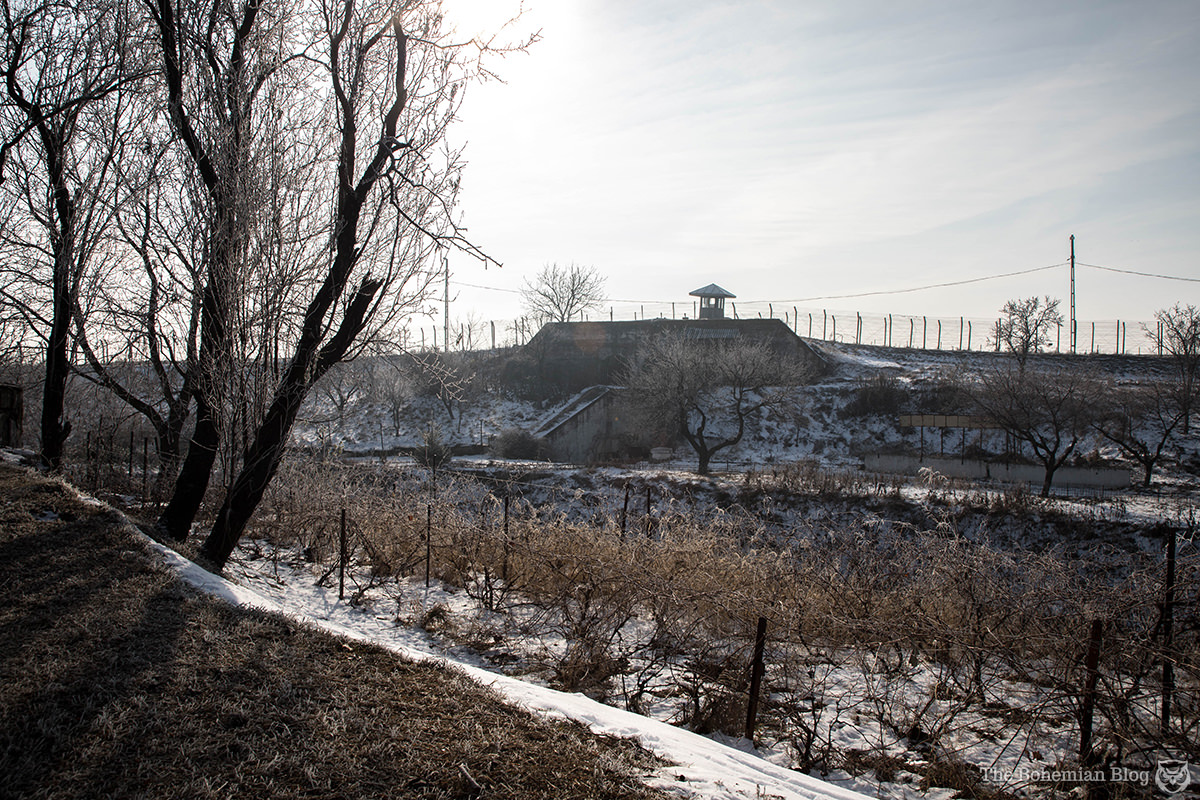
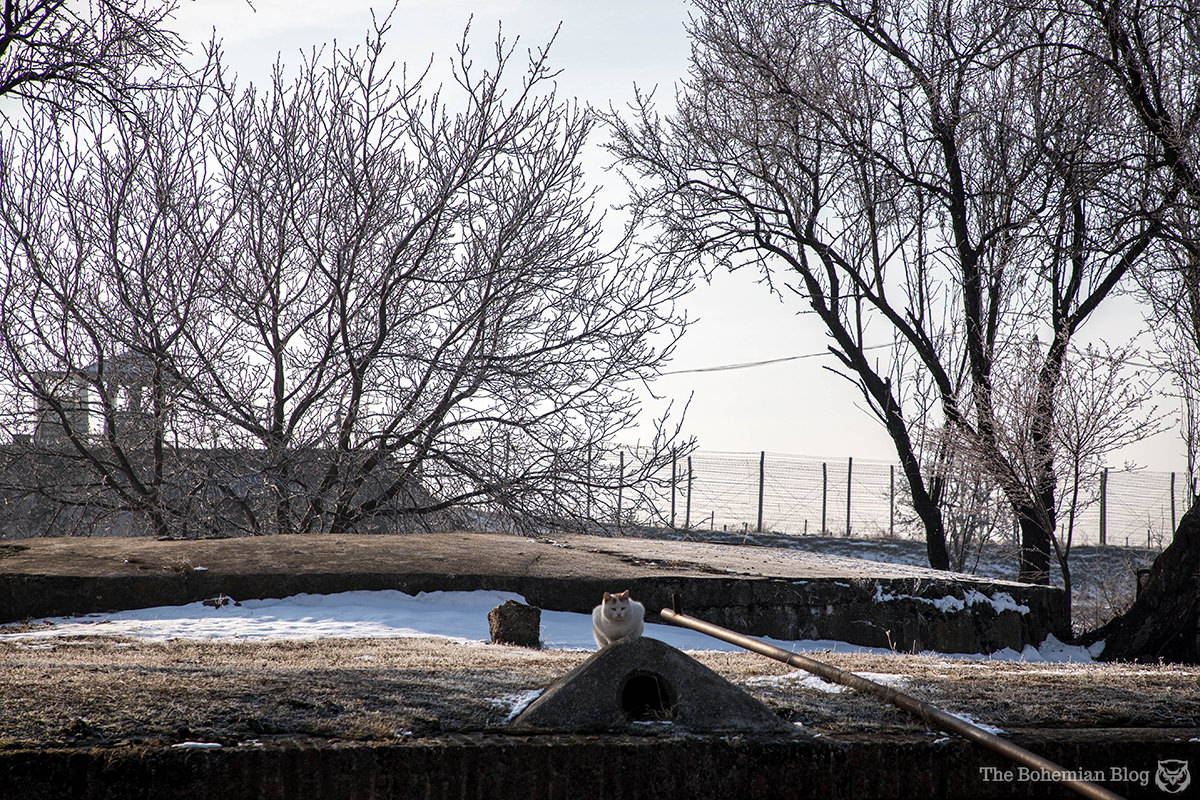
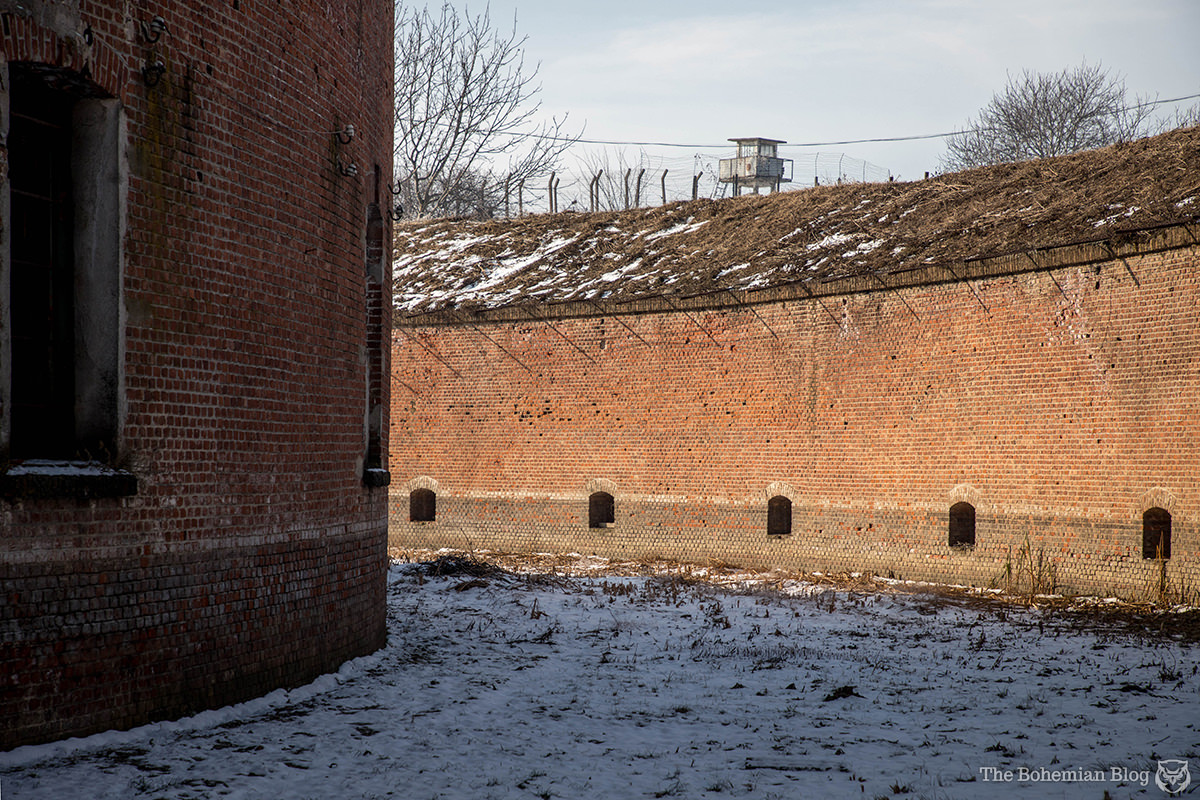
Regular readers of this site have probably seen me mention the Fortifications of Bucharest before. These semi-subterranean defensive structures were built in a ring around the Romanian capital in the late 19th century. The brickwork structures were dug into earth banks, and fitting with gun- and cannon-positions facing outwards against potential invaders. However, much like the USS Maine battleship in America, their lengthy construction took place during a period of rapid technological development, meaning that, by the time they were finished, they were no longer useful. The advert of attack aircraft rendered land defences somewhat redundant in fighting a modern invasion force – and most of the eighteen forts around Bucharest were abandoned soon after they were finished.
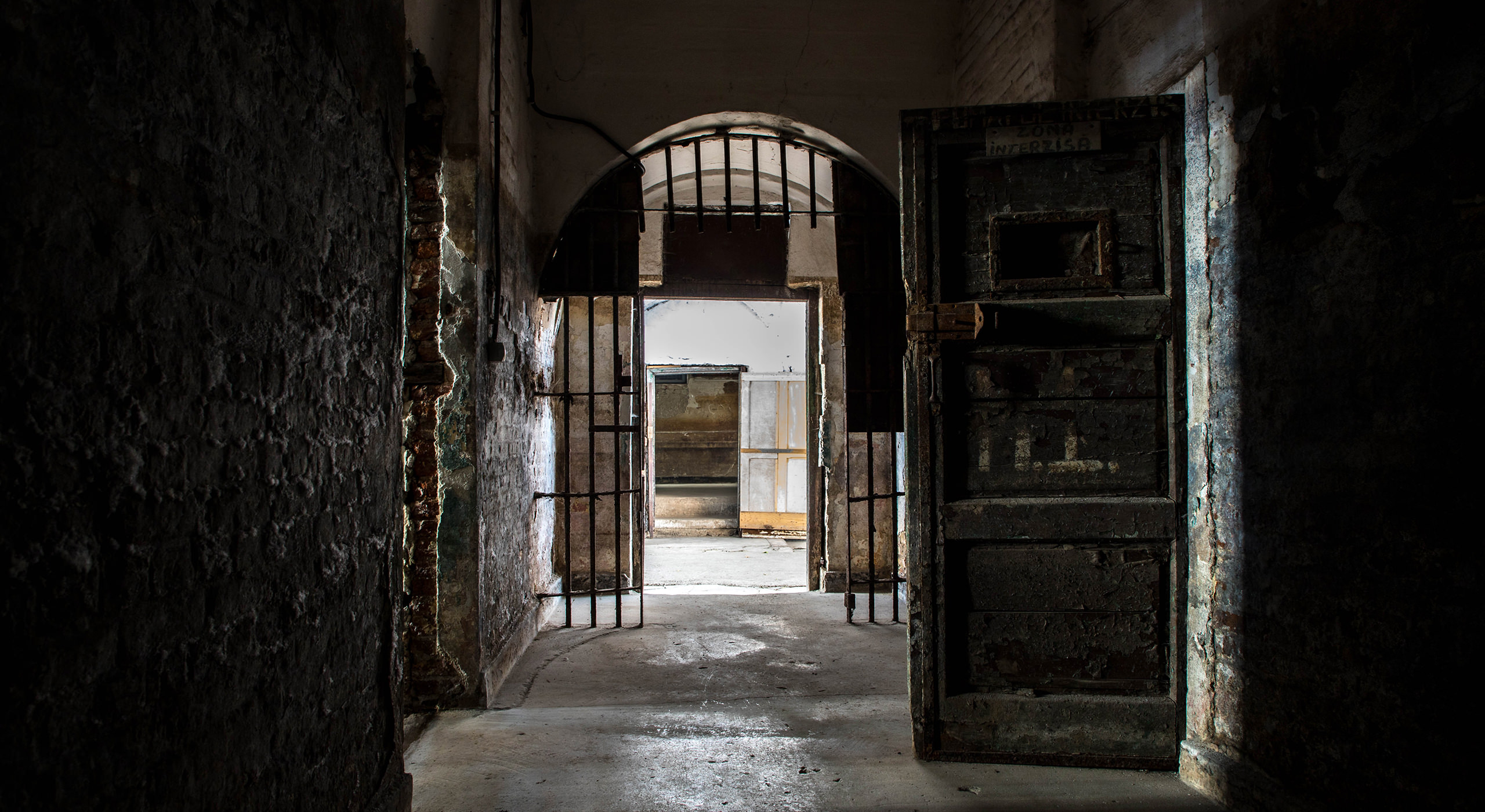
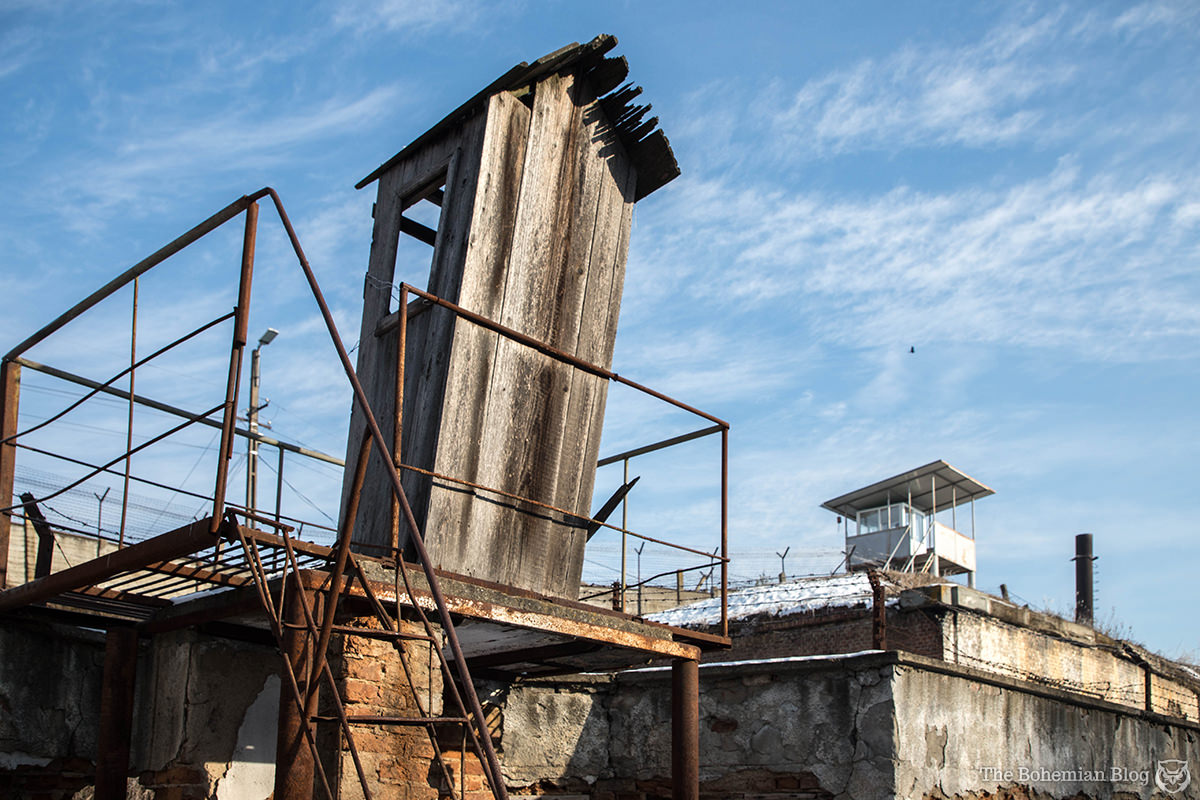
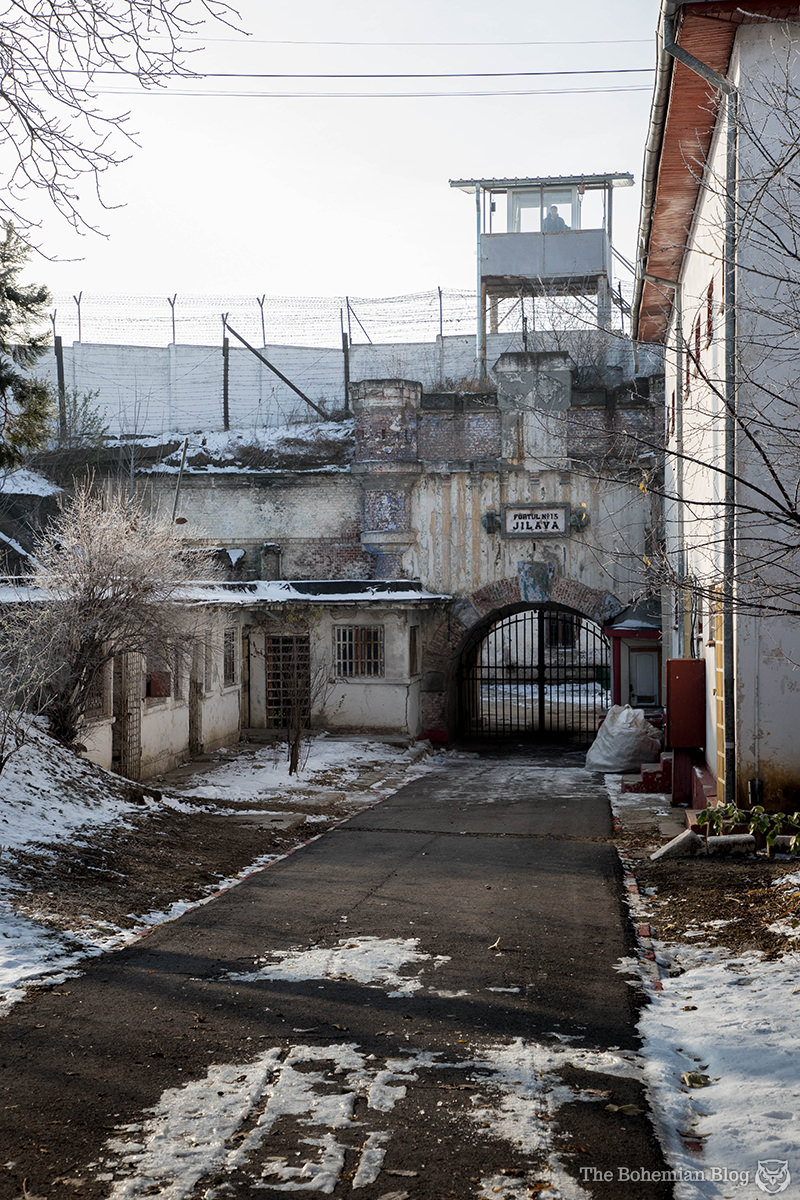
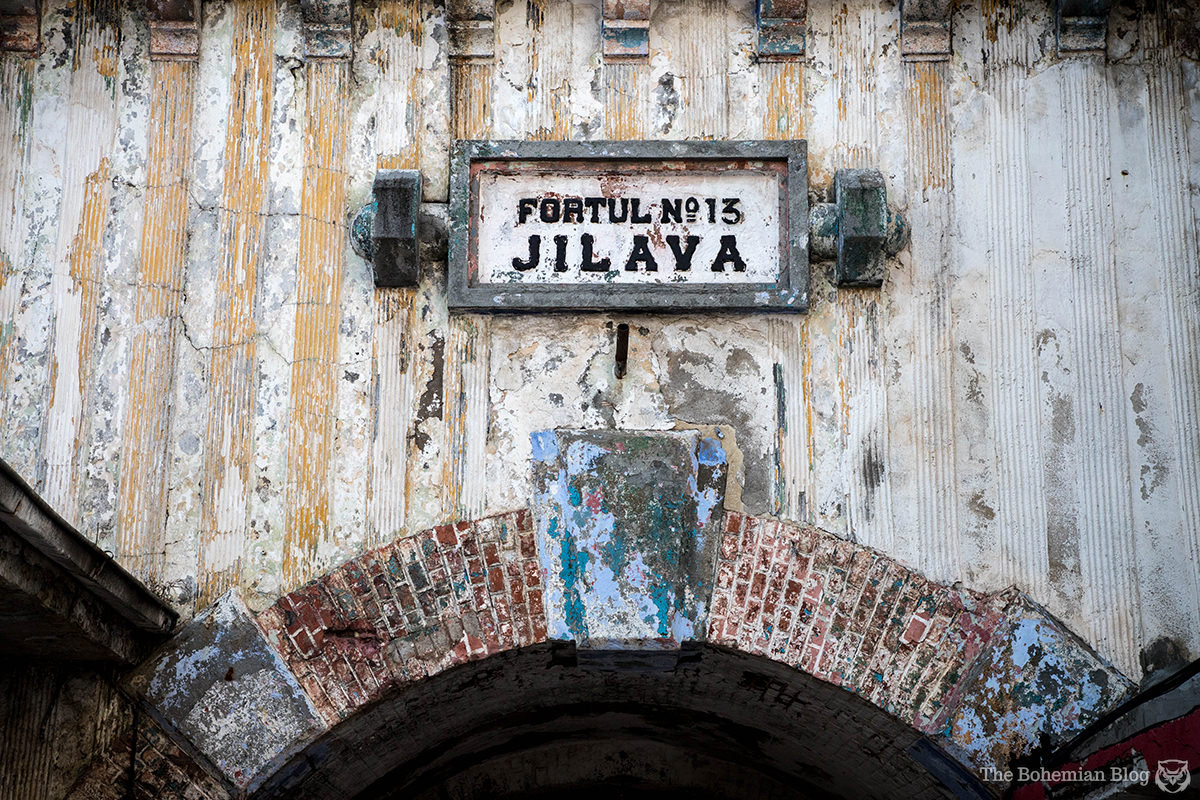
In 2013, I wrote about Fort Number 10 at Leordeni. More recently, in May, I shared a post about the barren, water-logged remains of Fort Number 12. Now here’s a set of photos from Fort 13: the only one that has stayed in constant use since it was built, and which serves now as Jilava Penitentiary.
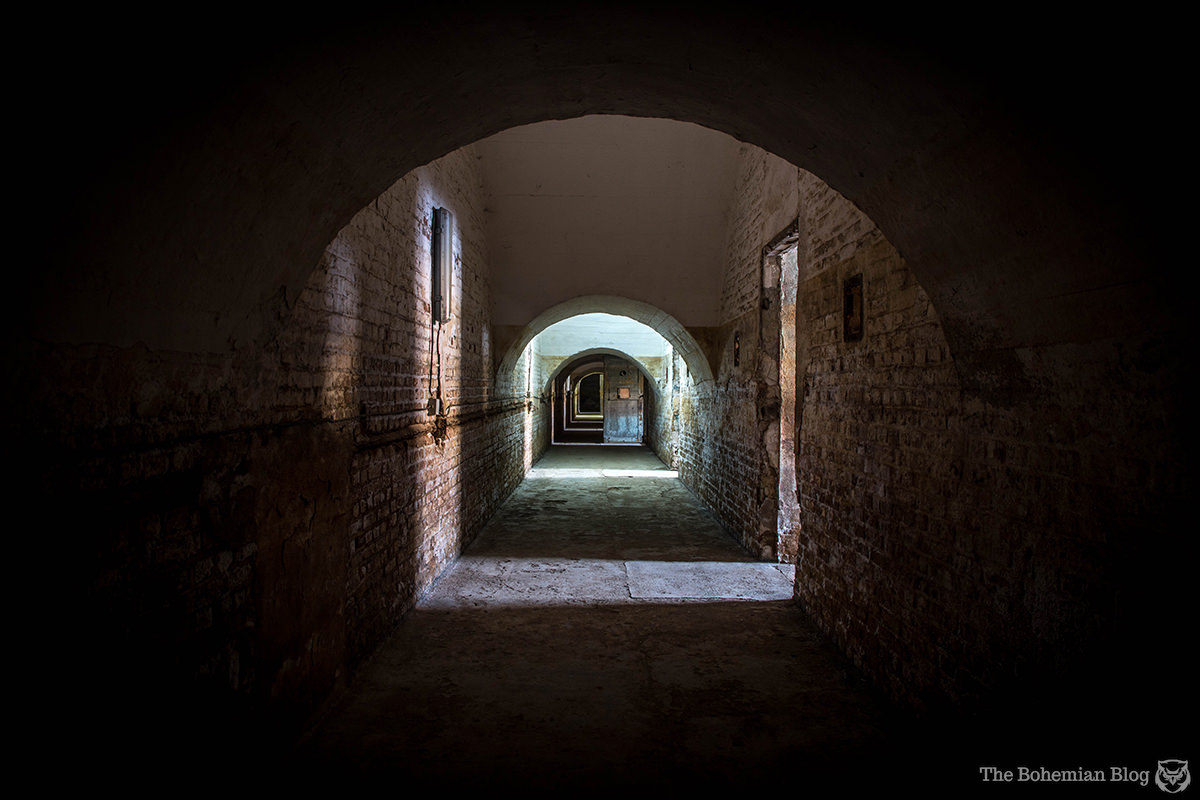
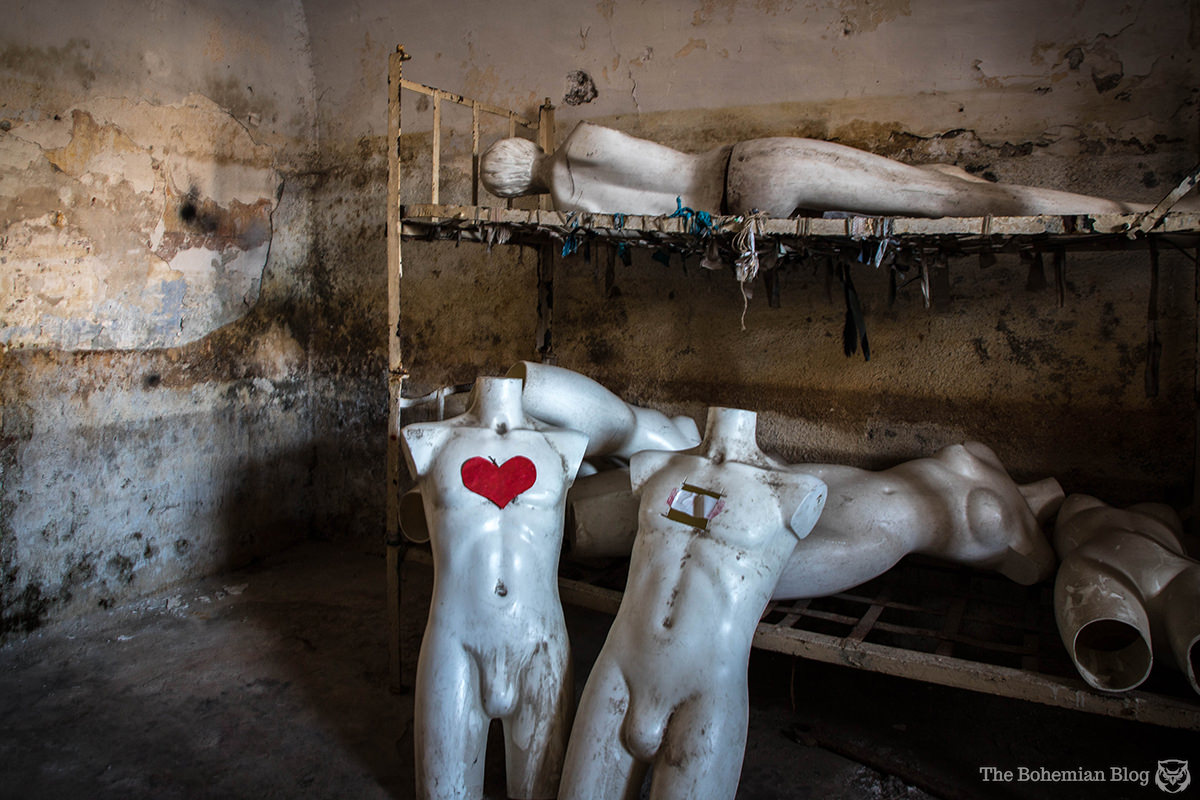
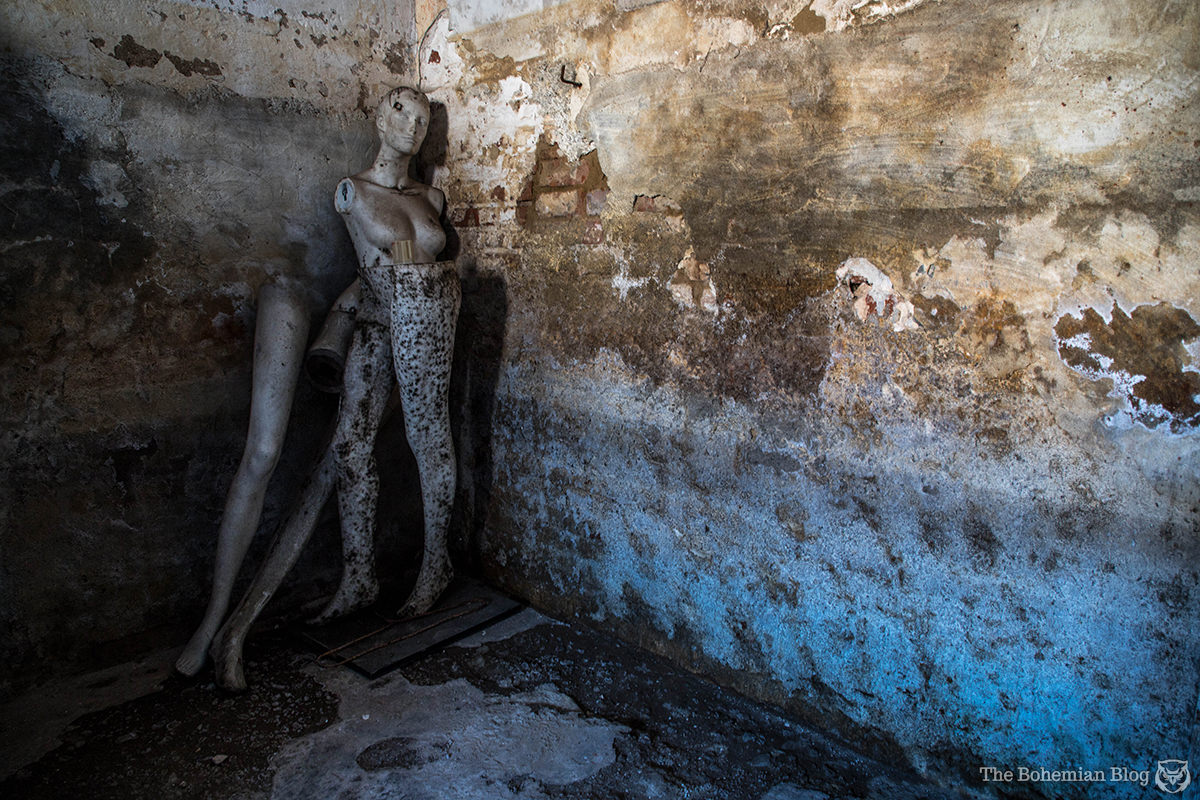
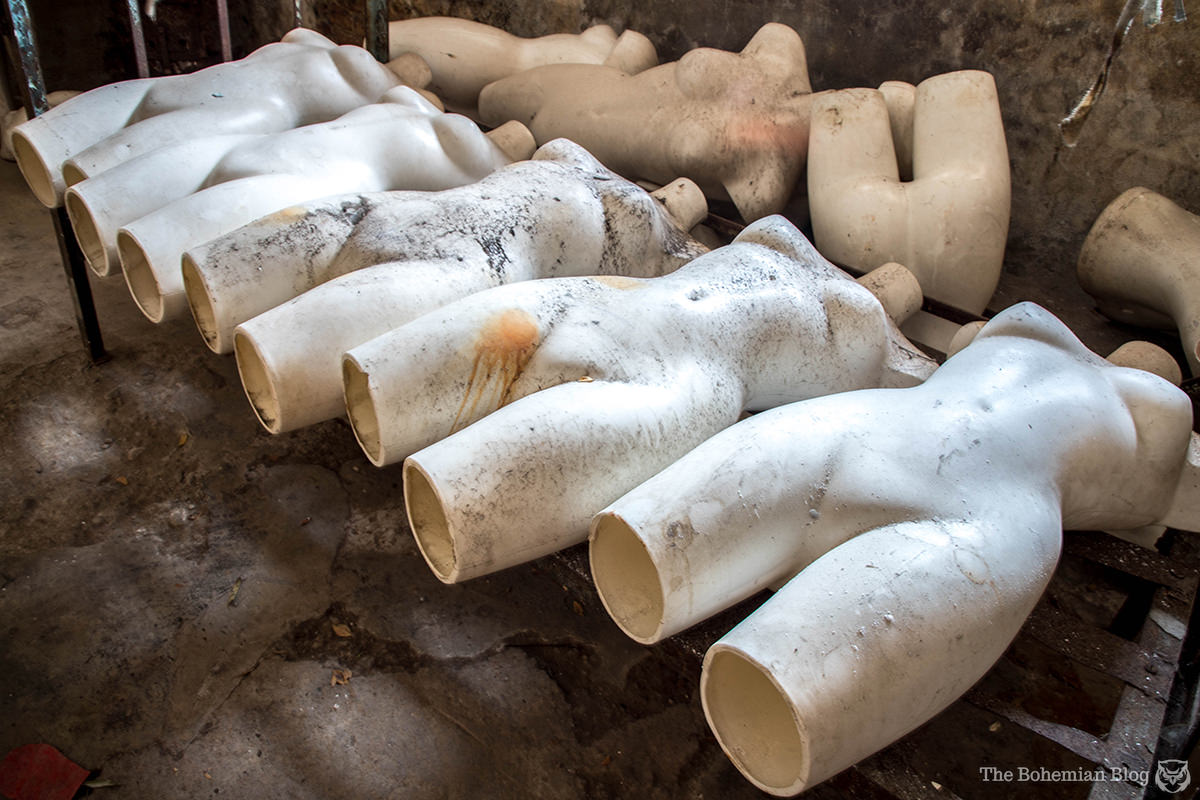
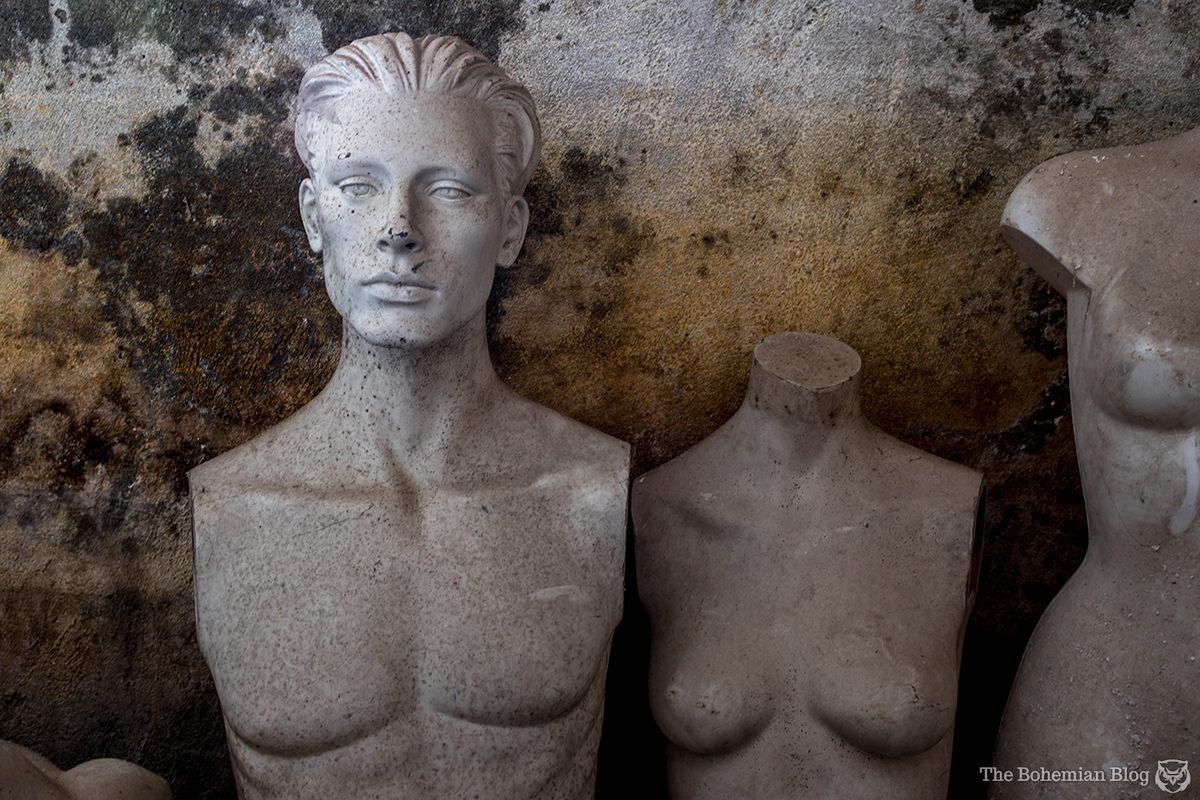
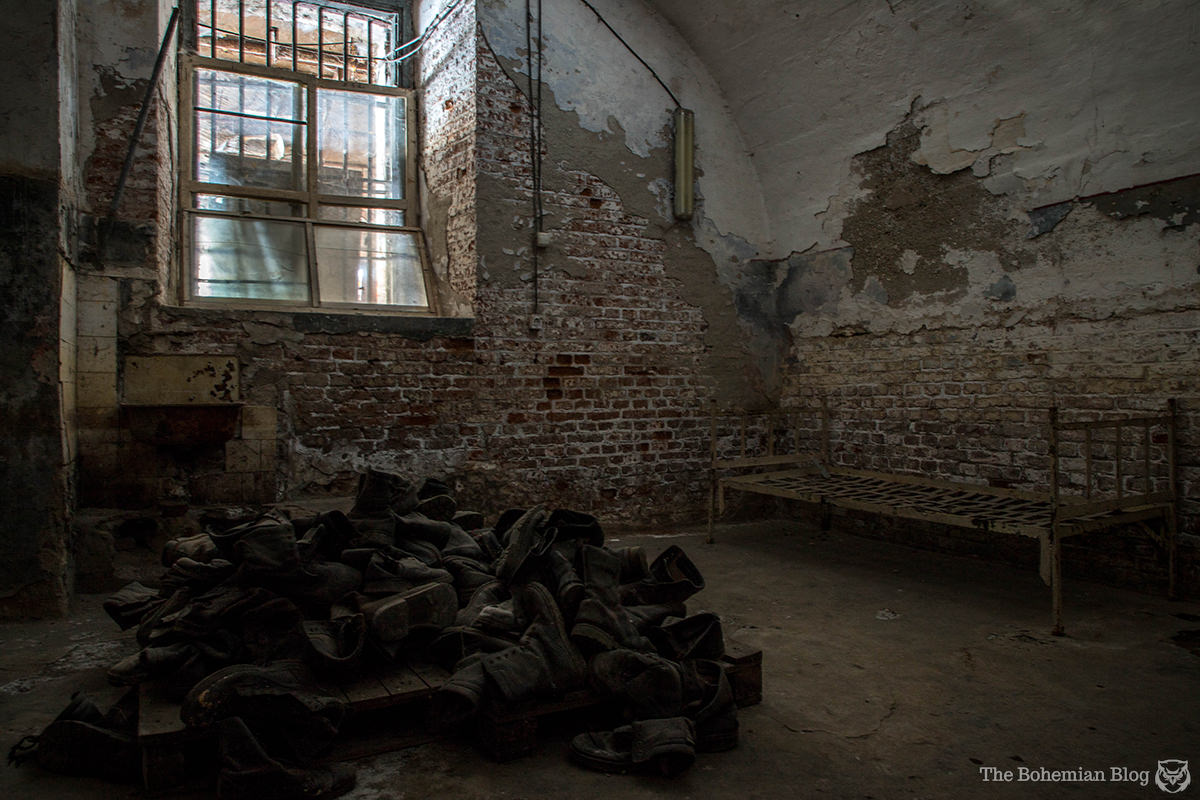
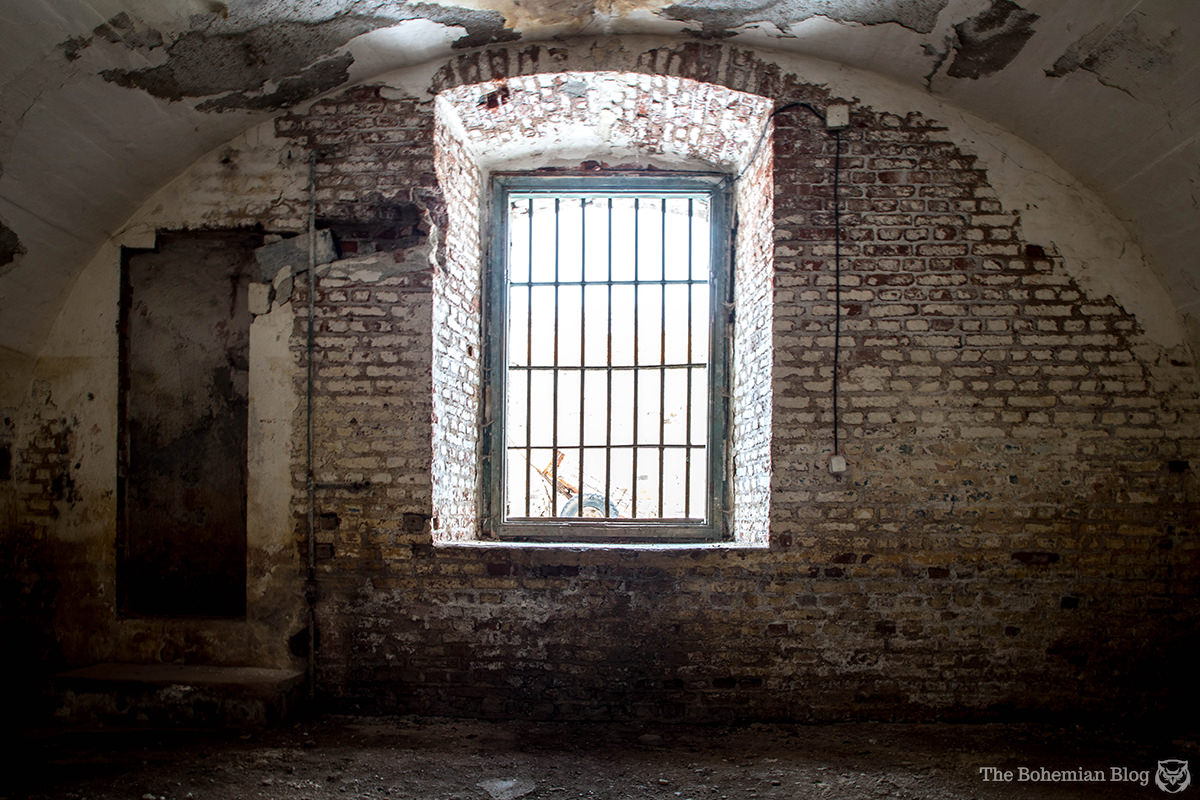
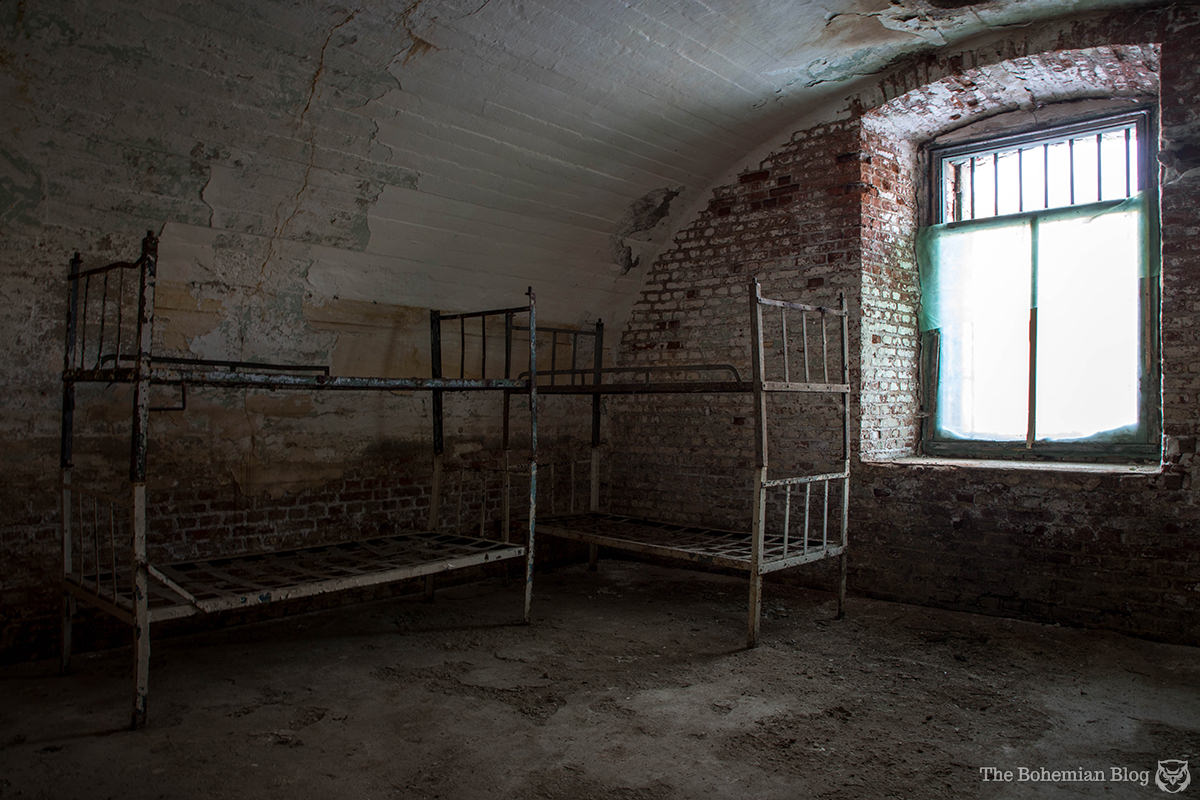
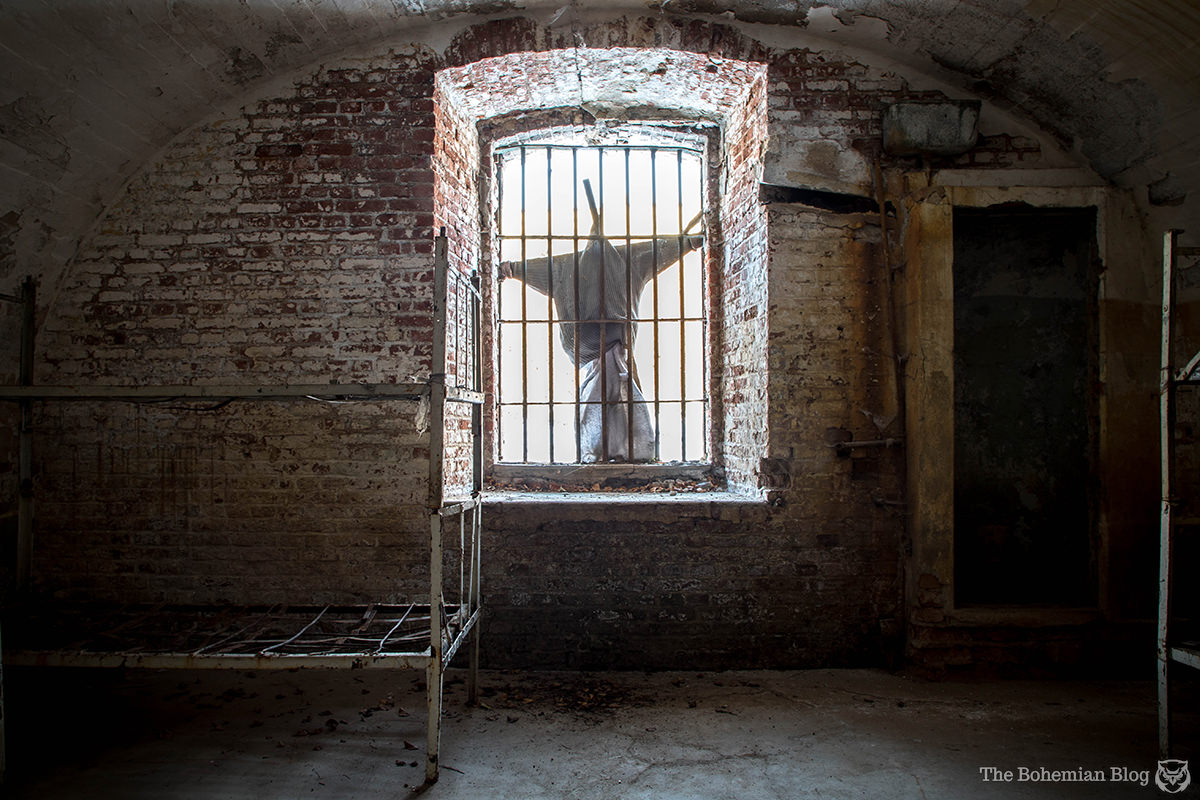
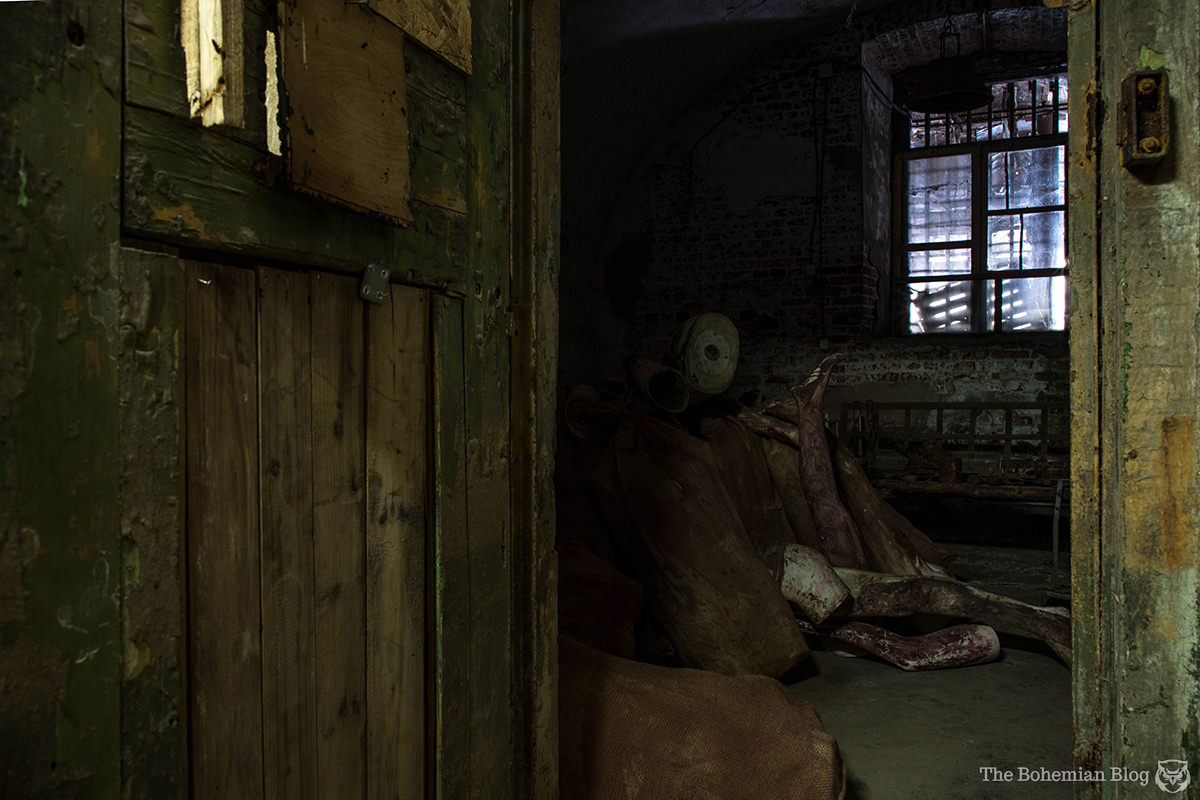
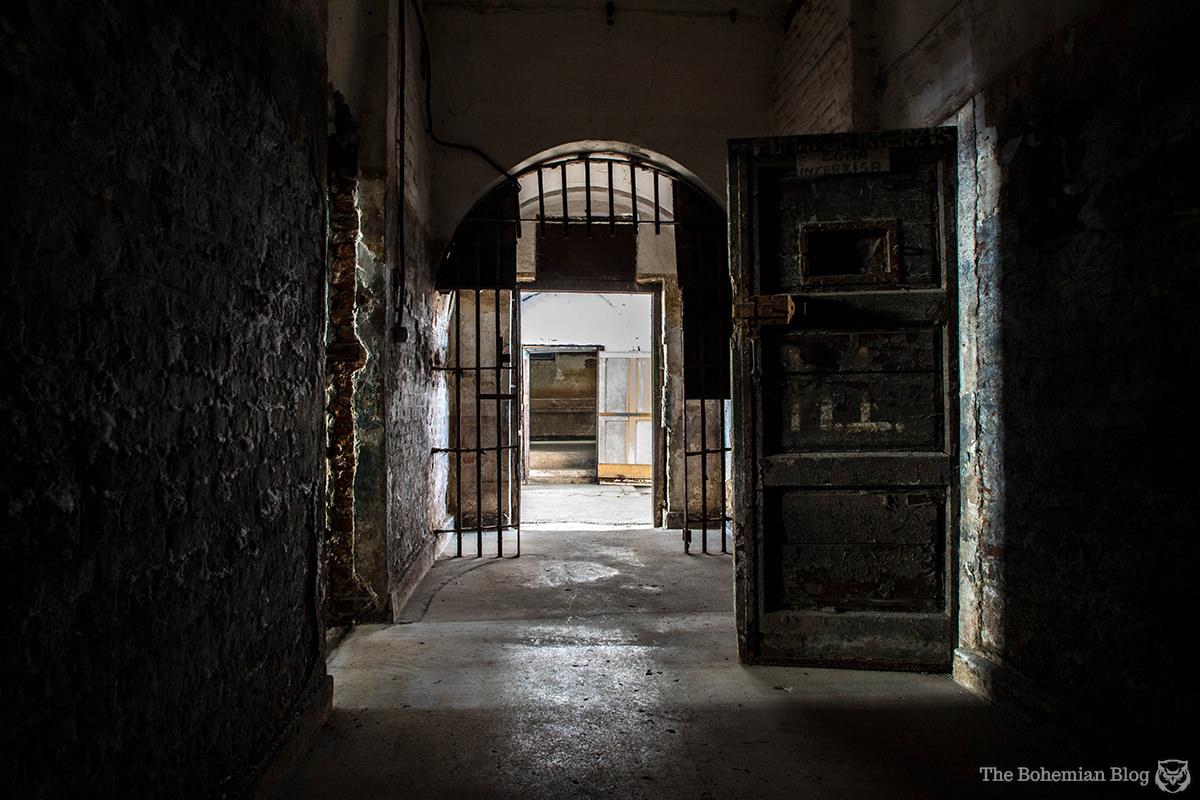
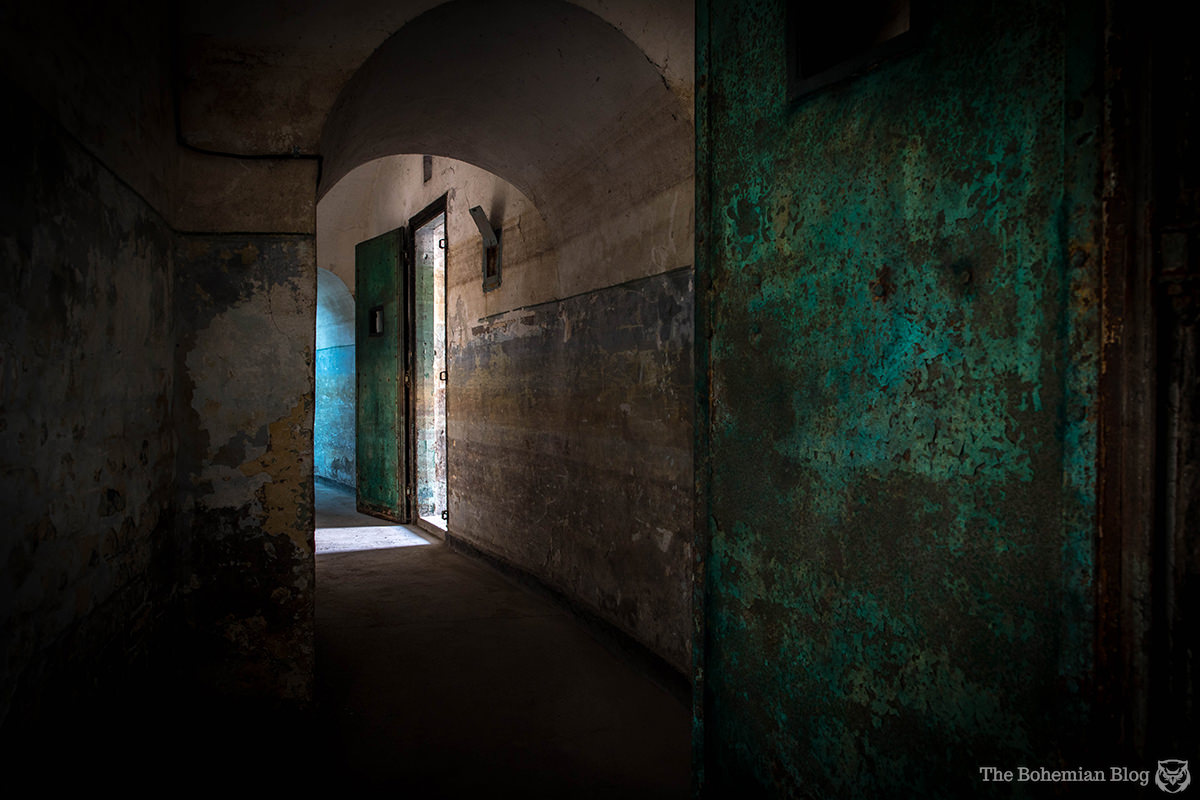
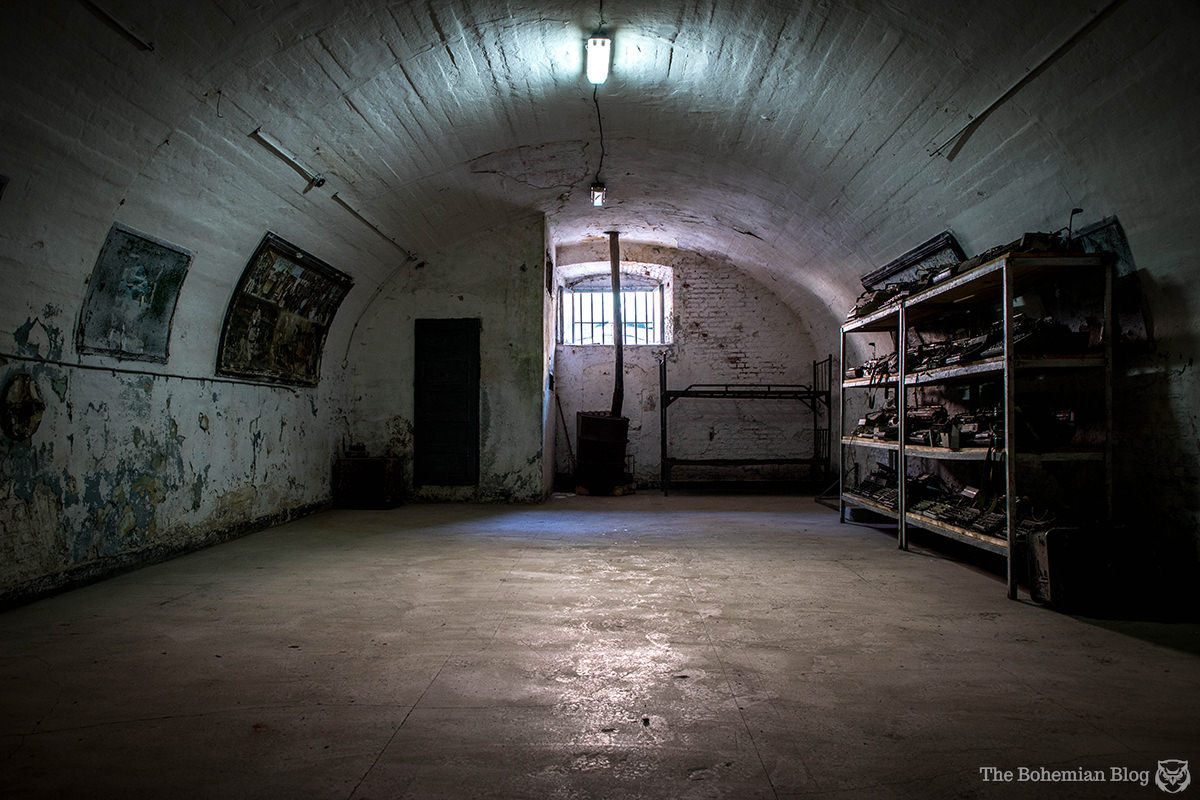
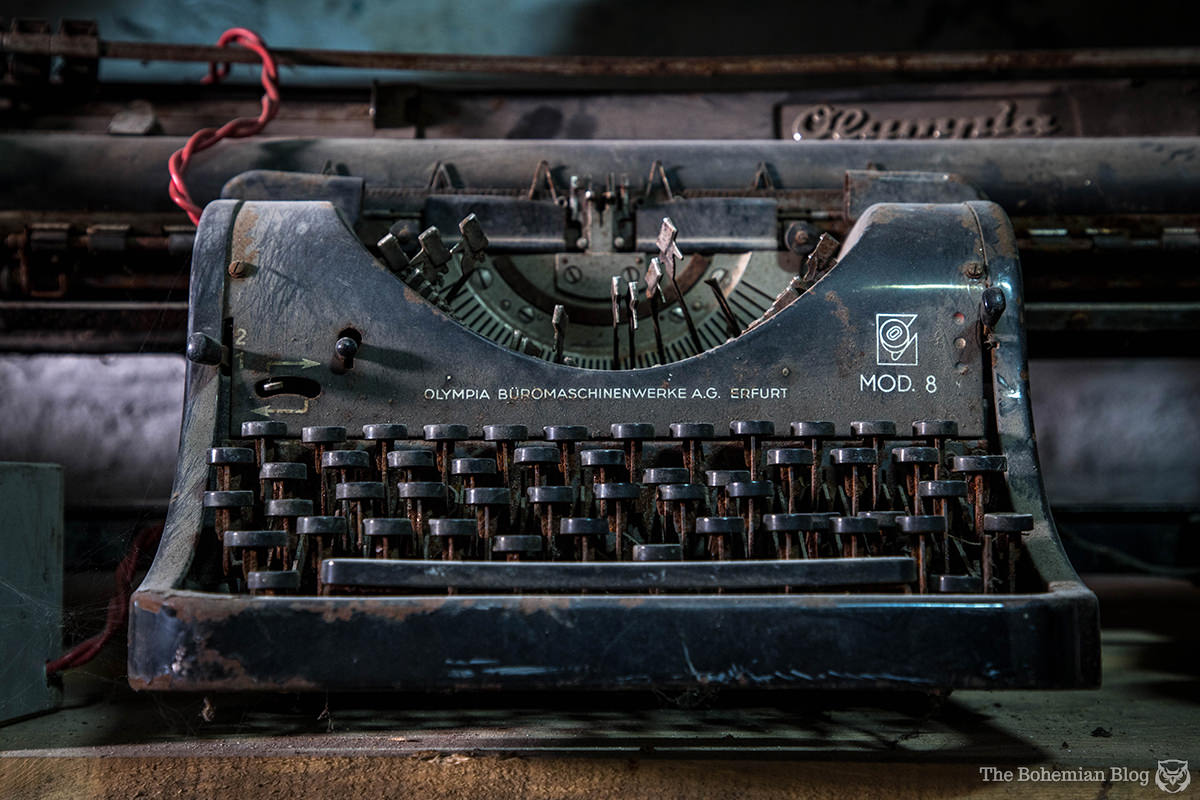
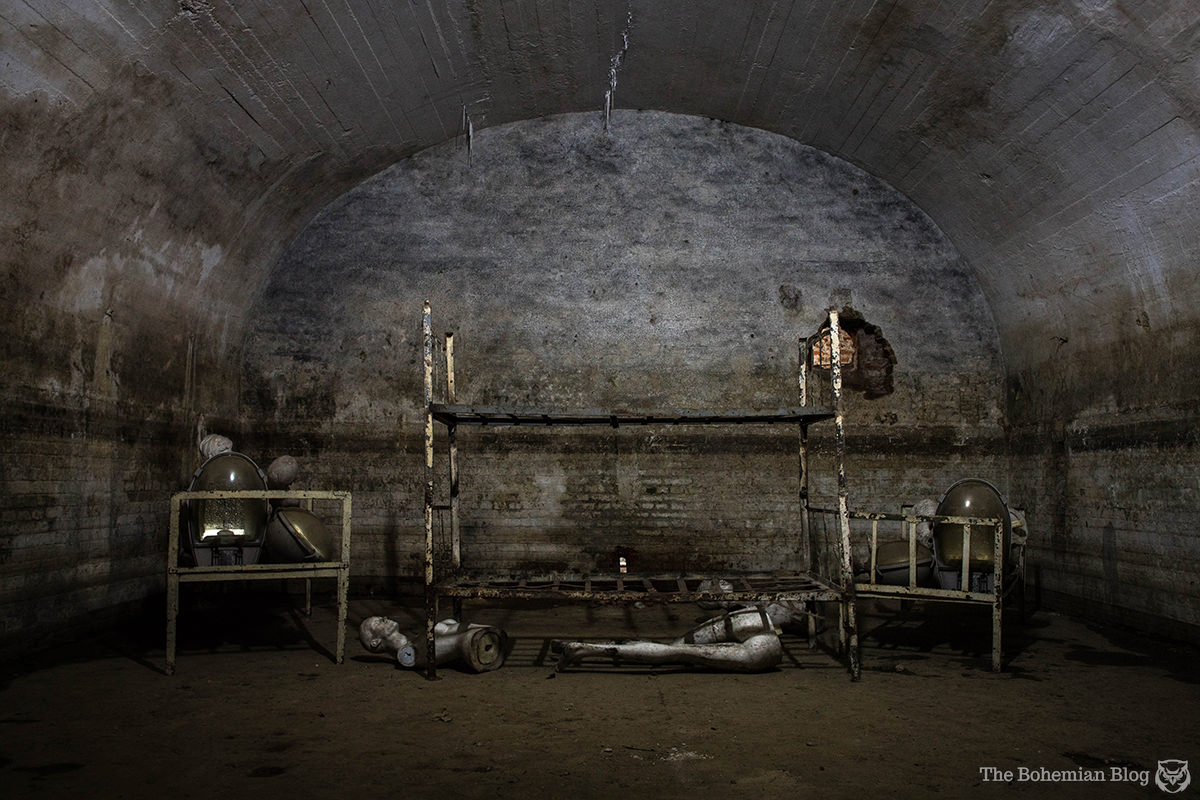
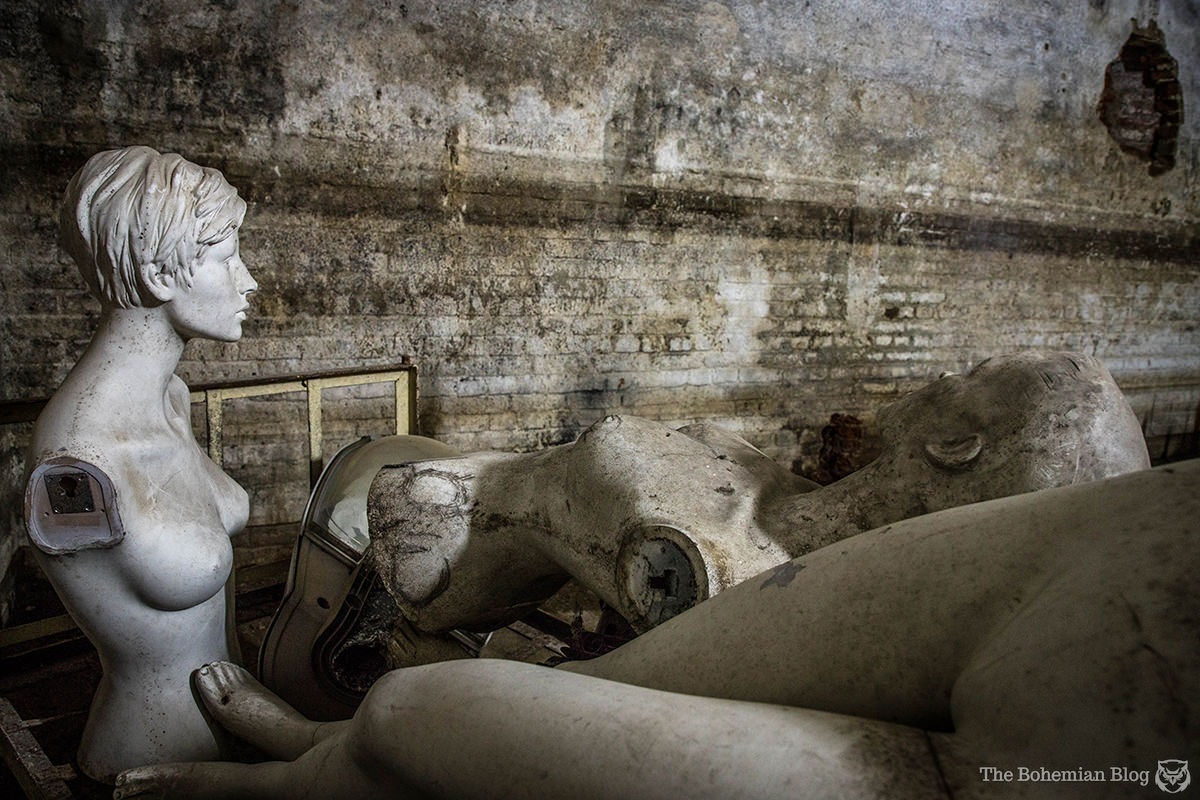
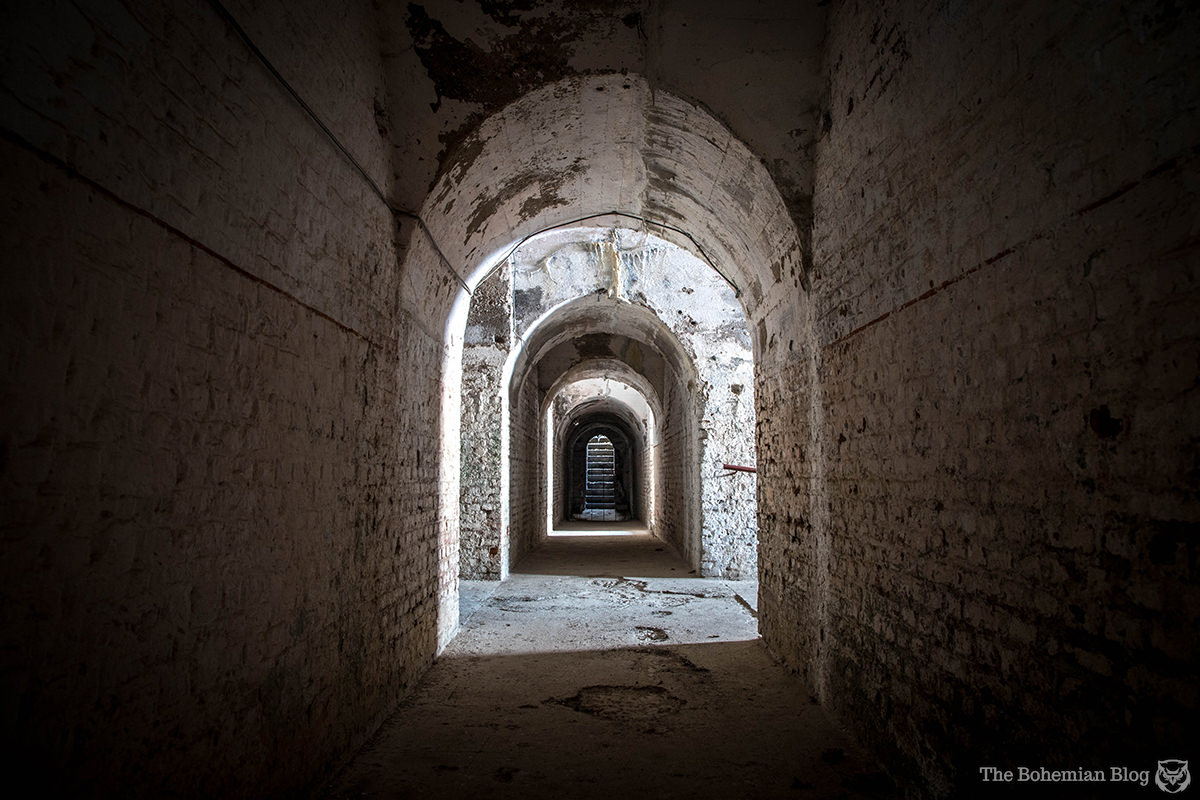
Parts of the complex are still in use as a prison today. However, during a tour I co-led in Romania a few years ago, we managed to persuade the prison authorities to let us look around the abandoned sections of the former fort. Structurally the fort was much the same as others I have visited – a network of arched brick tunnels cut through an artificial bank, fitted with a series of heavy gun placements facing outwards. However this one was different, in that it also showed the evidence of recent use. Store rooms featured shelves stacked with typewriters and archaic machinery, while metal frame bunk beds broke up the empty space in former dormitories. More surprising though, were the mannequins. Broken plastic humans littered many of the halls, left leaning against beds or jumbled into piles of assorted body parts. They certainly made for some striking photo opportunities.
This feels like a place I will want to come back to, so watch out for a longer article about Jilava Penitentiary in the future. Those mannequins deserve explanation, and it’s also worth mentioning some of the more notorious prisoners who have been kept at Jilava Penitentiary over the years – including the 1970s communist-era serial killer they dubbed the “Romanian Jack the Ripper.”
For now though, I hope you enjoy this gallery.




An illustrated guide to urban exploration in the Russian capital.

Poltergeists, ritual murder & a live-in succubus – the 1000-year-old pub with a ghostly reputation

A month-long monument hunt, and what I learned along the way.
COMMENT